SCOPE
Brand Asset, Scalable Content, FigmaBuzz, Figma
DURATION
8 weeks

Developed visual assets and built reusable social media templates using Figma Buzz for PLUS, a CMU and Stanford led AI tutoring initiative, helping establish a scalable and consistent design system to communicate its mission to schools, researchers, and funders.
CONTEXT & PROBLEM
PLUS needed a more clear and scalable visual identity system that could clearly communicate its AI powered tutoring mission across multiple stakeholders. I was given the task to create a clear message for multiple audiences: schools, researchers, potential funders.
Before joining PLUS, there was no systemized or scalable content creation guide and the brand consistency needed to be strengthened.
01
SCALABLE
SYSTEM
Create reusable branded assets & social media templates to reduce repetitive design work.
02
VISUAL
UNITY
Establish a cohesive visual identity system across social, presentations, and marketing materials.
03
DIVERSE
AUDIENCE
Tailor messaging and visual hierarchy for schools, researchers, and funders.
STRATEGY
Before joining the team, PLUS already had an established theme and aesthetic. I reviewed the previous branding and materials and analyzed the gaps in where their story might have contradicted itself. Through this, I identified inconsistencies in how PLUS communicated its story. For example, while the program emphasized its use of innovative AI-driven technology, one of their primary audiences included K–12 schools. These included stakeholders who may prioritize trust, accessibility, and student impact over technical sophistication. This created moments where the messaging felt misaligned or unclear.
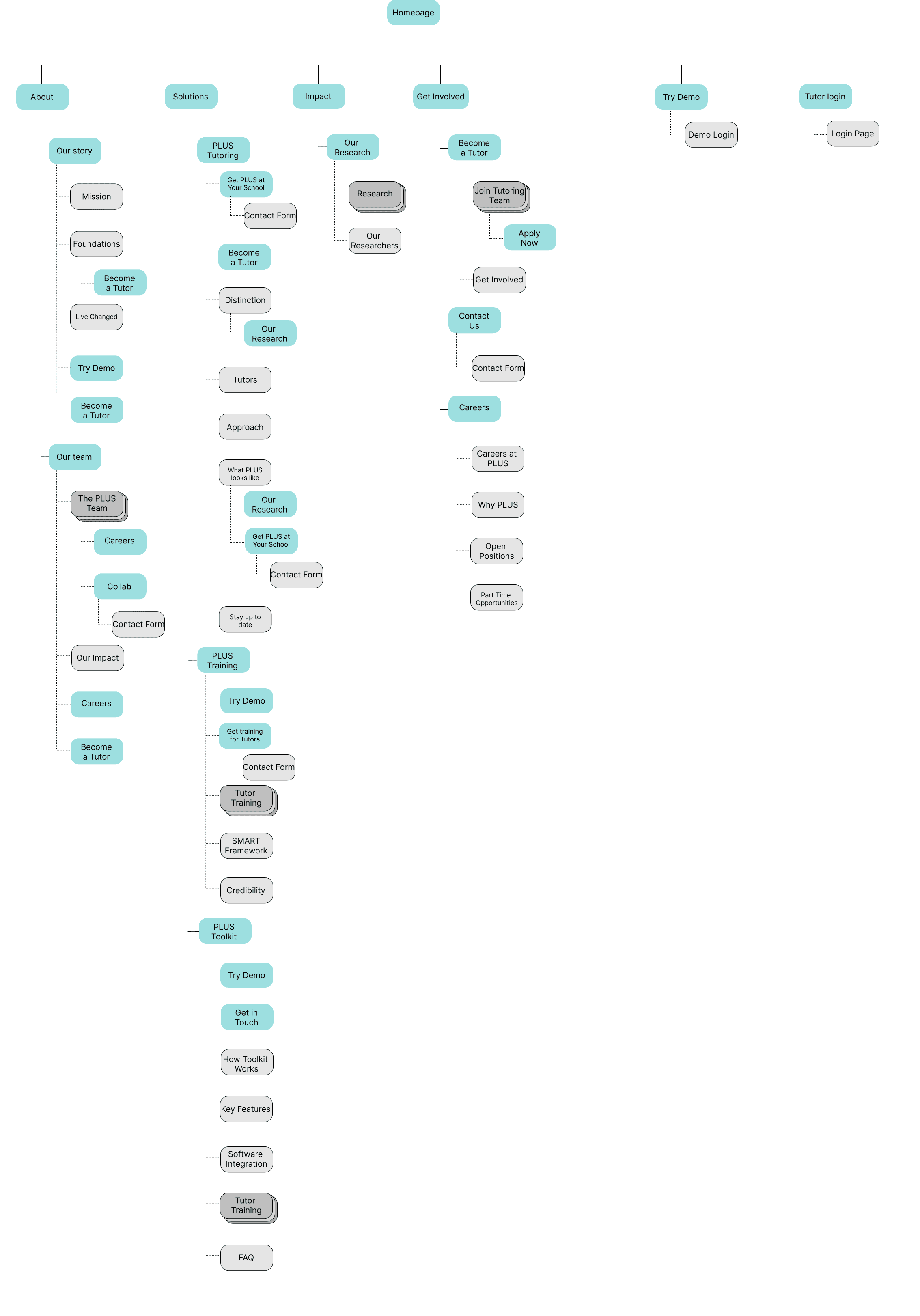
To address this, I collaborated with another student to reassess the information hierarchy and clarify the different audiences' priorities. We mapped out key stakeholder groups (schools, researchers, funders) and restructured content to better balance credibility, innovation, and approachability. This revised hierarchy informed the next phase of design work, including brand asset development and template creation.
Original IA
Figma Buzz Templates
increase efficiency by reducing repetitive design work
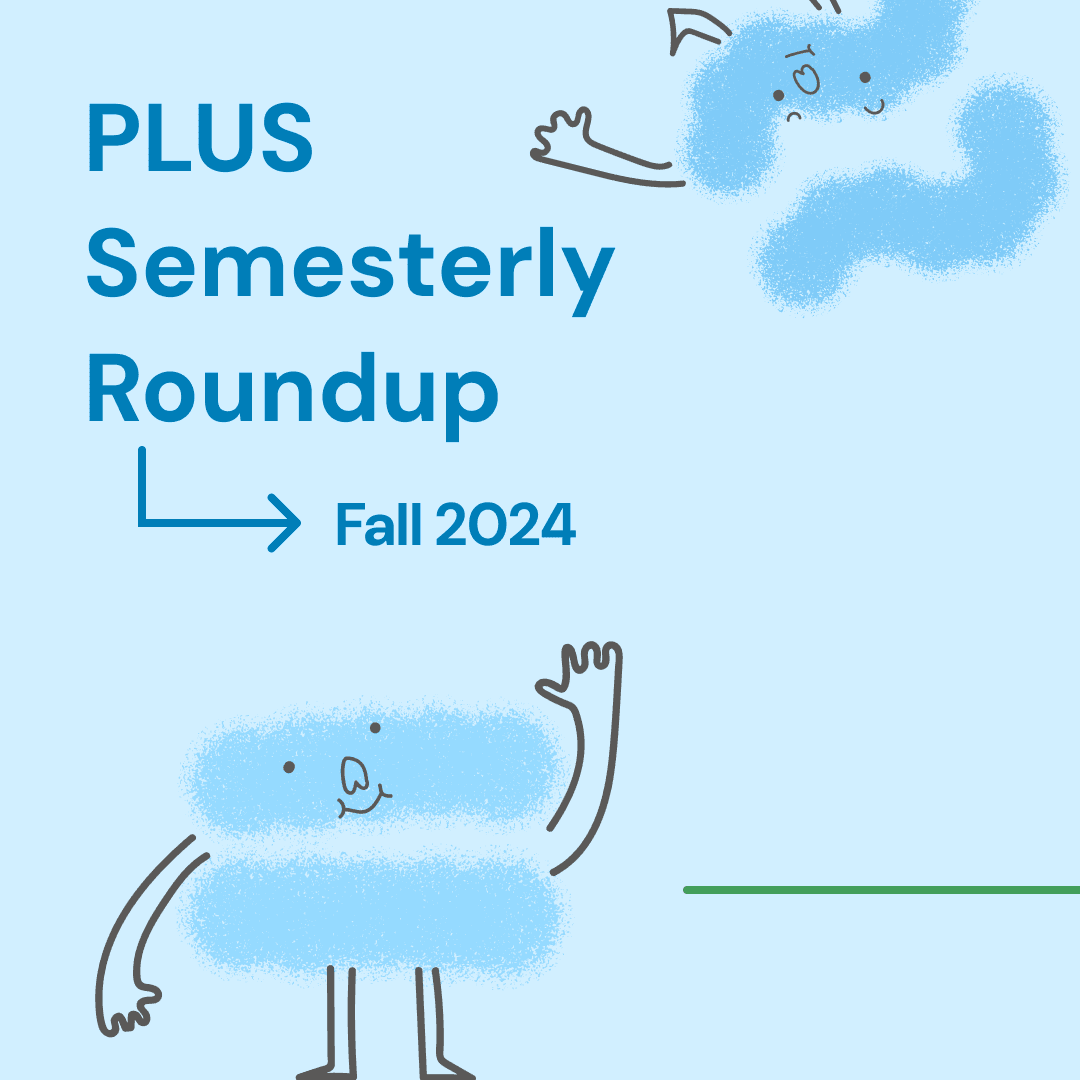
give all team members agency with minimal instructions to generate on-brand Instagram and LinkedIn posts
One of my goals for this project was to expand the range of tools I could confidently use in a workflow. Around this time, Figma introduced Figma Buzz, a feature designed to help teams scale branded content by enabling "non designers" to easily create assets using ready made templates and locked brand components.
Recognizing its potential, I translated PLUS’s existing social media designs into structured, reusable templates within Figma Buzz. Rather than simply duplicating past layouts, I rebuilt them as modular systems by defining consistent typography styles, spacing rules, color usage, and content blocks that could be easily edited without compromising the original designs.
Brand Asset Guide
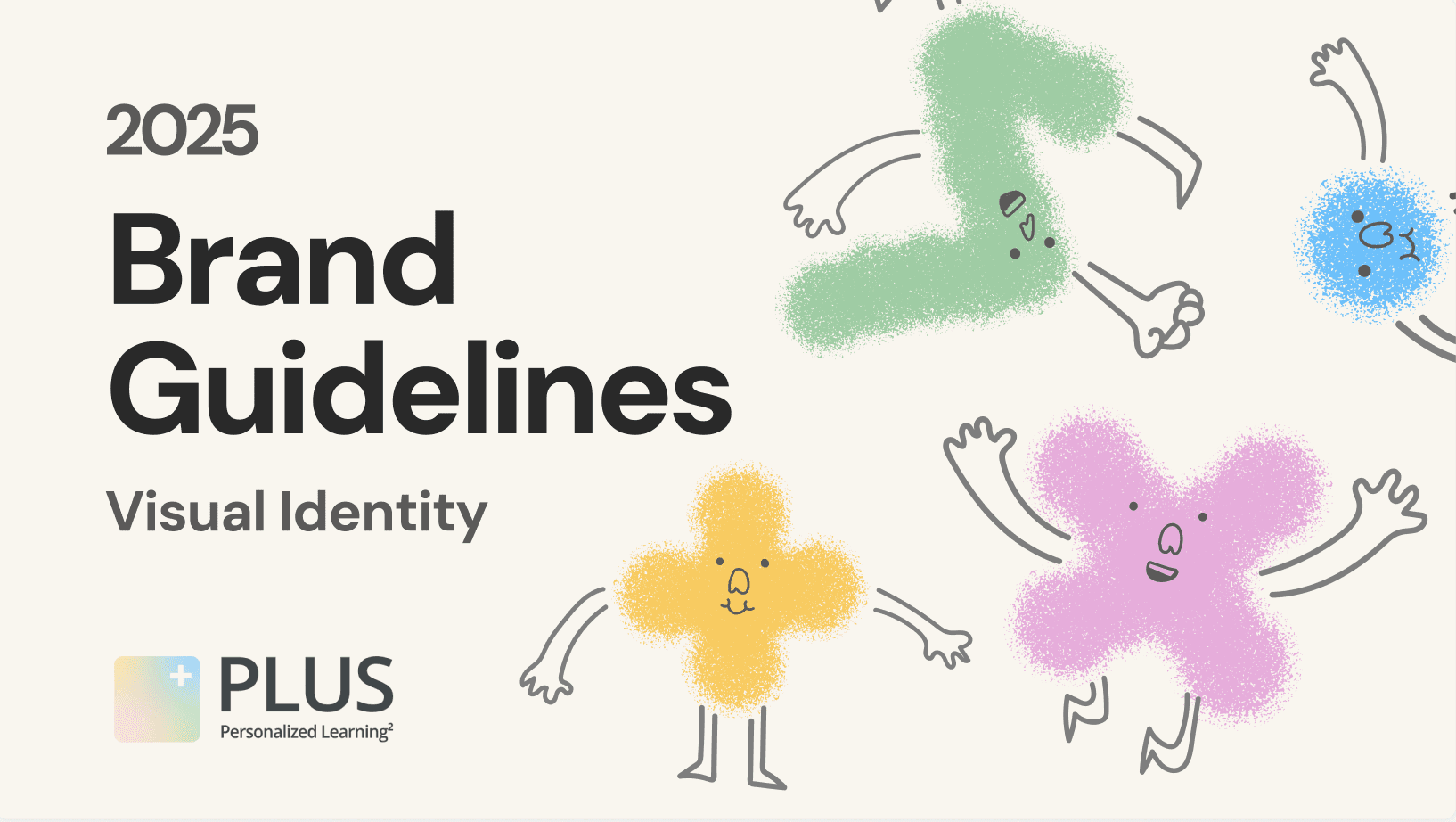
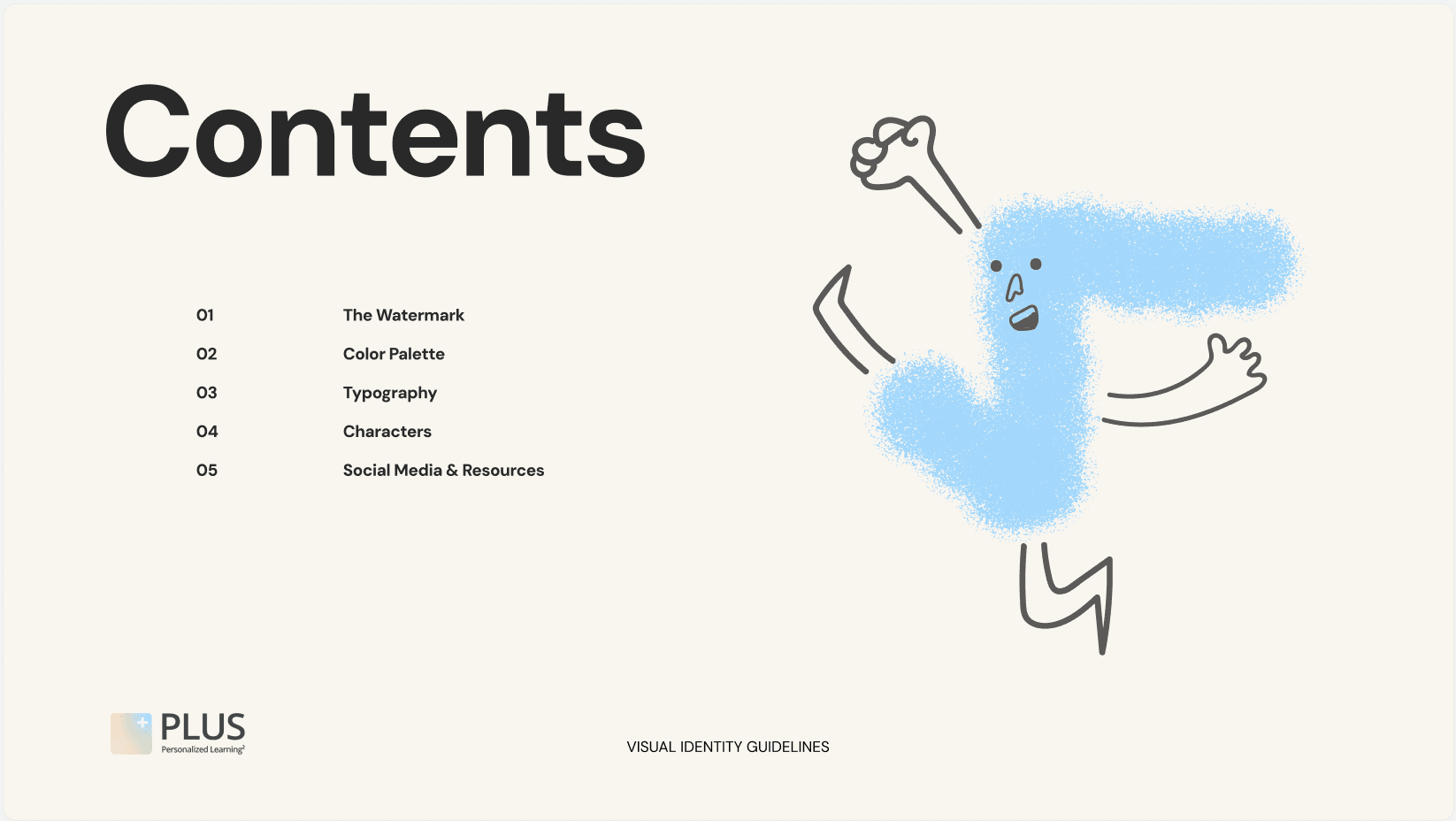
To ensure long term consistency across PLUS’s growing set of materials, I developed a centralized Brand Asset Guide in Figma.
Prior to this, there was no formal documentation outlining typography, color usage, or visual principles, which increased the risk of inconsistent fonts, color schemes, and messaging across platforms.
I began by digging through existing designs and identifying recurring patterns in typography, color, layout, and visual tone. From this analysis, I created a cohesive brand system that formalized these elements into clear, accessible guidelines.
Most importantly, the guide was built to be usable by both designers and non-designers. By presenting the system in a clean, digestible format, I ensured that team members could confidently create materials that aligned with PLUS’s identity without needing advanced design knowledge.
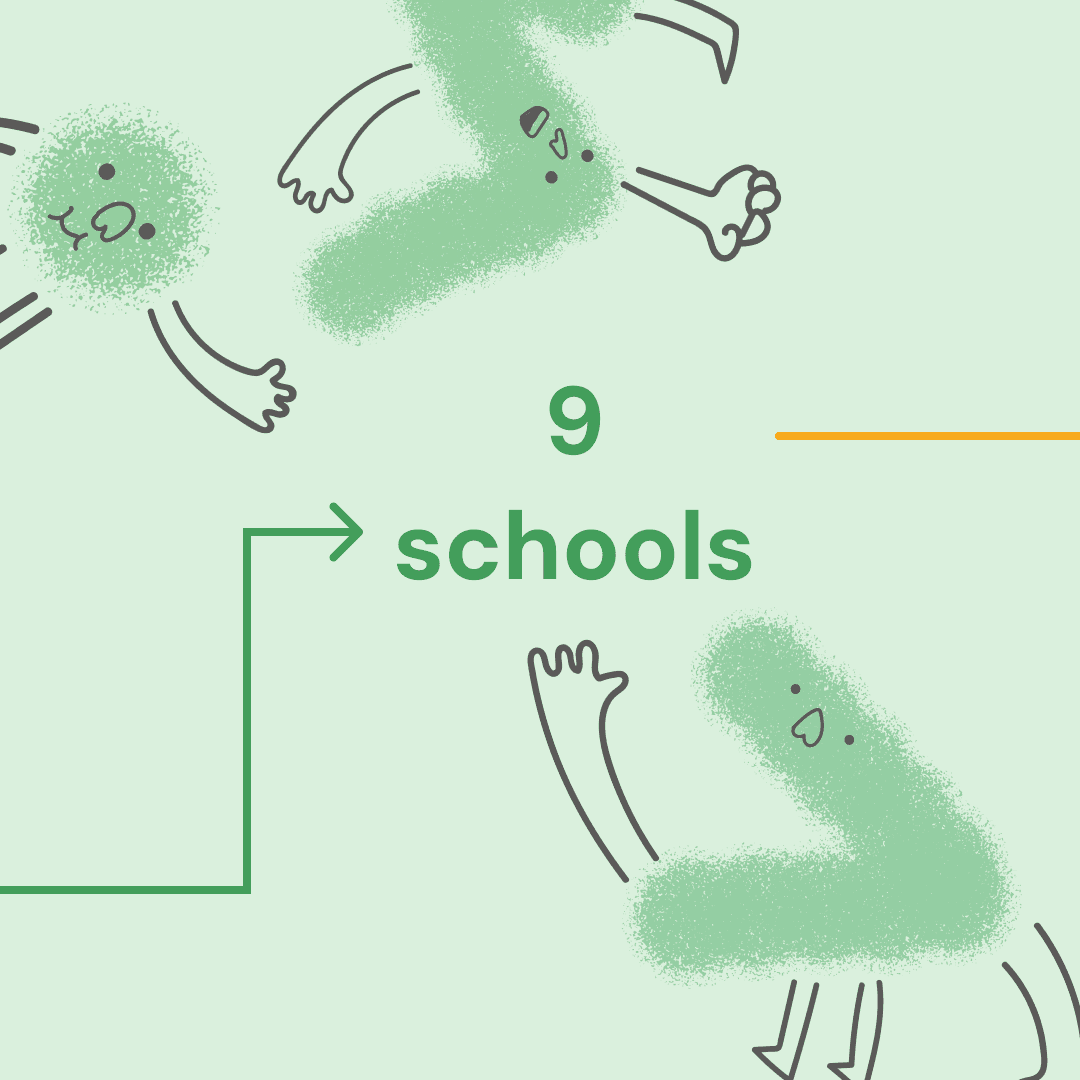
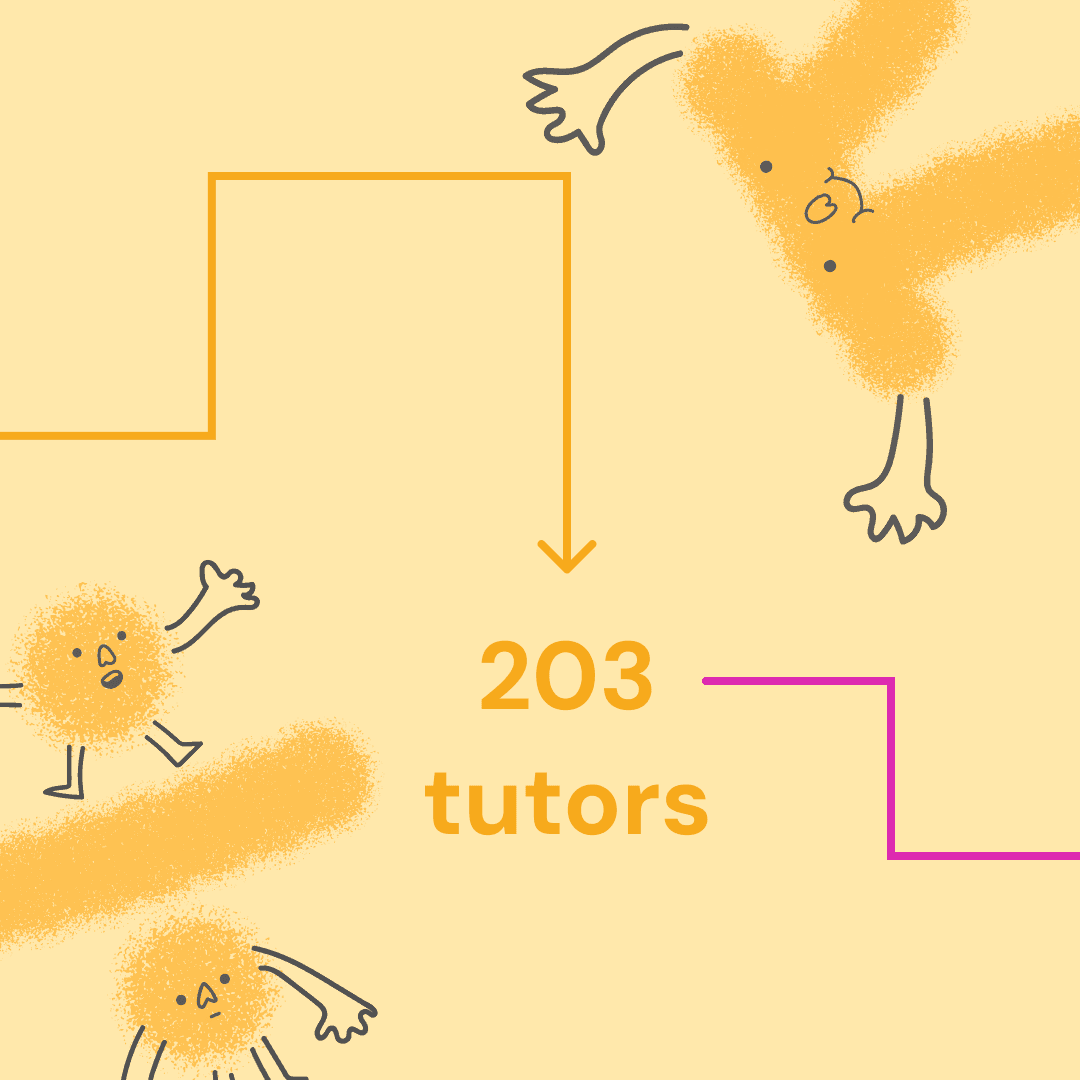
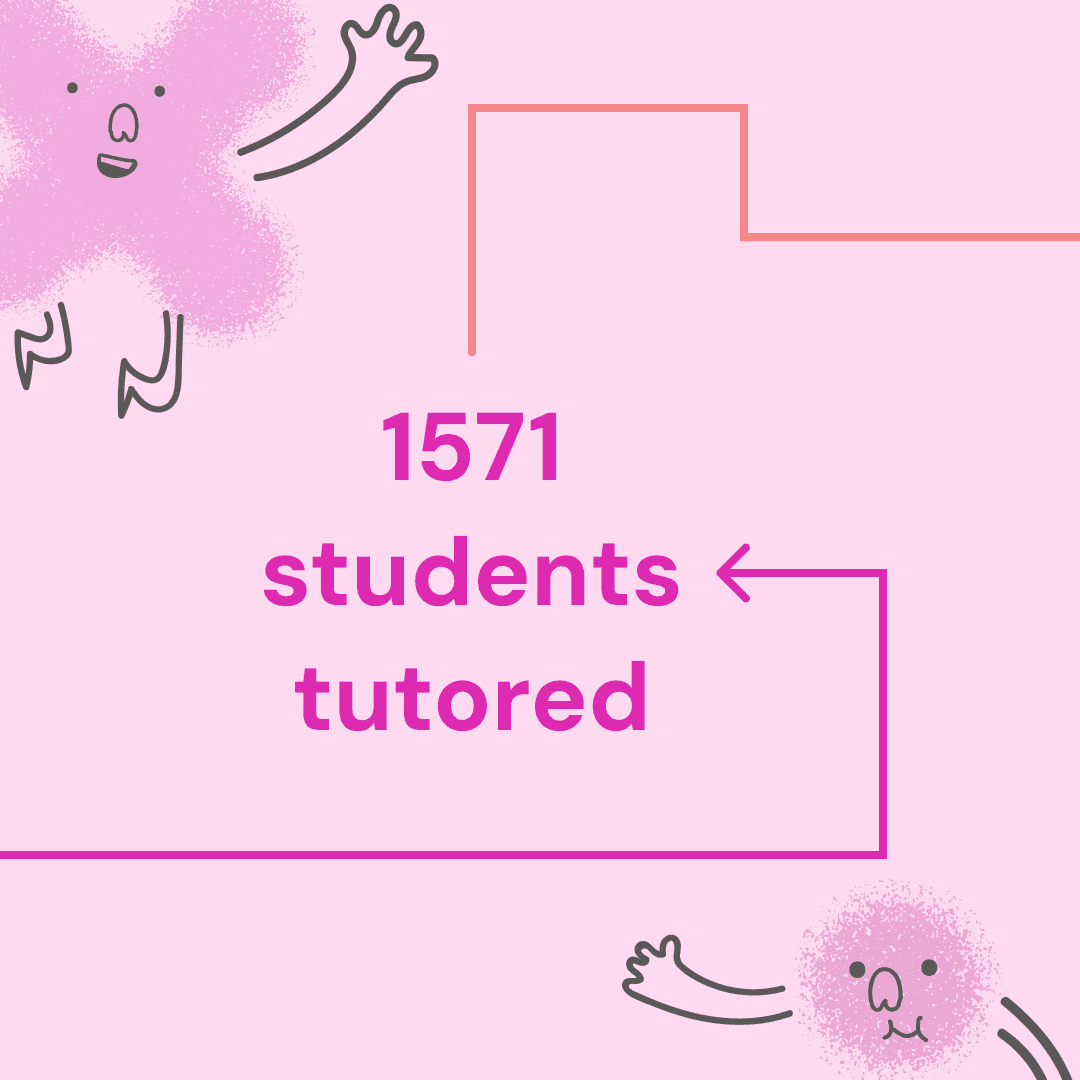
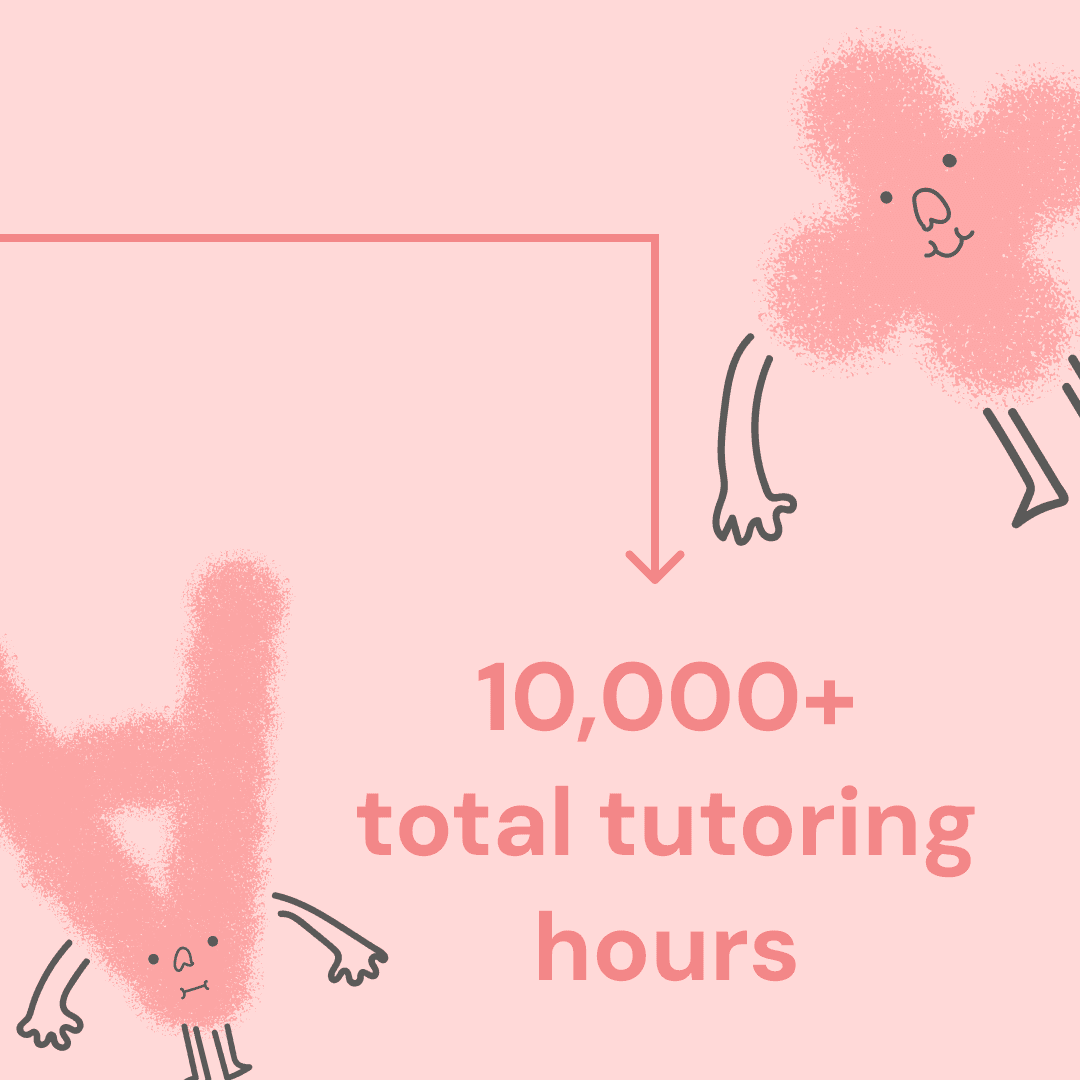
Expanding Accessibility
After finalizing the Brand Asset Guide in Figma, I recognized an important challenge that not all team members were familiar with or regularly used Figma. If the system lived only in Figma, it would limit who could actively create materials.
To make the brand system more accessible, I translated the core design elements into a fully structured Google Slides template. This ensured that team members without design software experience could still produce on-brand presentations.
Rather than simply copying over slides, I adapted the system thoughtfully to the constraints of Google Slides. I was able to simplify layouts while preserving visual integrity.
This step significantly increased usability and adoption. By meeting the team in the tools they already used, I helped ensure the brand system was not just well designed, but actually implemented
By the end of the semester, I delivered a finalized Brand Asset Guide, reusable Figma Buzz social templates, and a Google Slides system accessible to the entire team.
What I Learned
This project shifted my understanding of design from creating visually appealing assets to being able to build systems that have goals of clarity and importantly scale. Rather than focusing on individual graphics, I had to think about how visual decisions would function across diverse platforms and collaborators over time.
Translating the entire system into Google Slides also forced me to consider varying levels of design literacy and tool familiarity. I was reinforced with the idea that successful systems must meet users where they are instead of where designers expect them to be.
Working on a Team
Prior to this experience, much of my collaboration had been in short term hackathon settings. This project introduced me to a longer feedback cycle.
A long term project helped me learn how to stay aligned while teammates were working on similar initiatives. I was able to collaborate with others who were also still learning and experimenting. I learned how important it is to check in regularly to make sure that my progress aligned with the team's goals and adjust direction early so time and effort wouldn't be spent on the wrong priorities.